




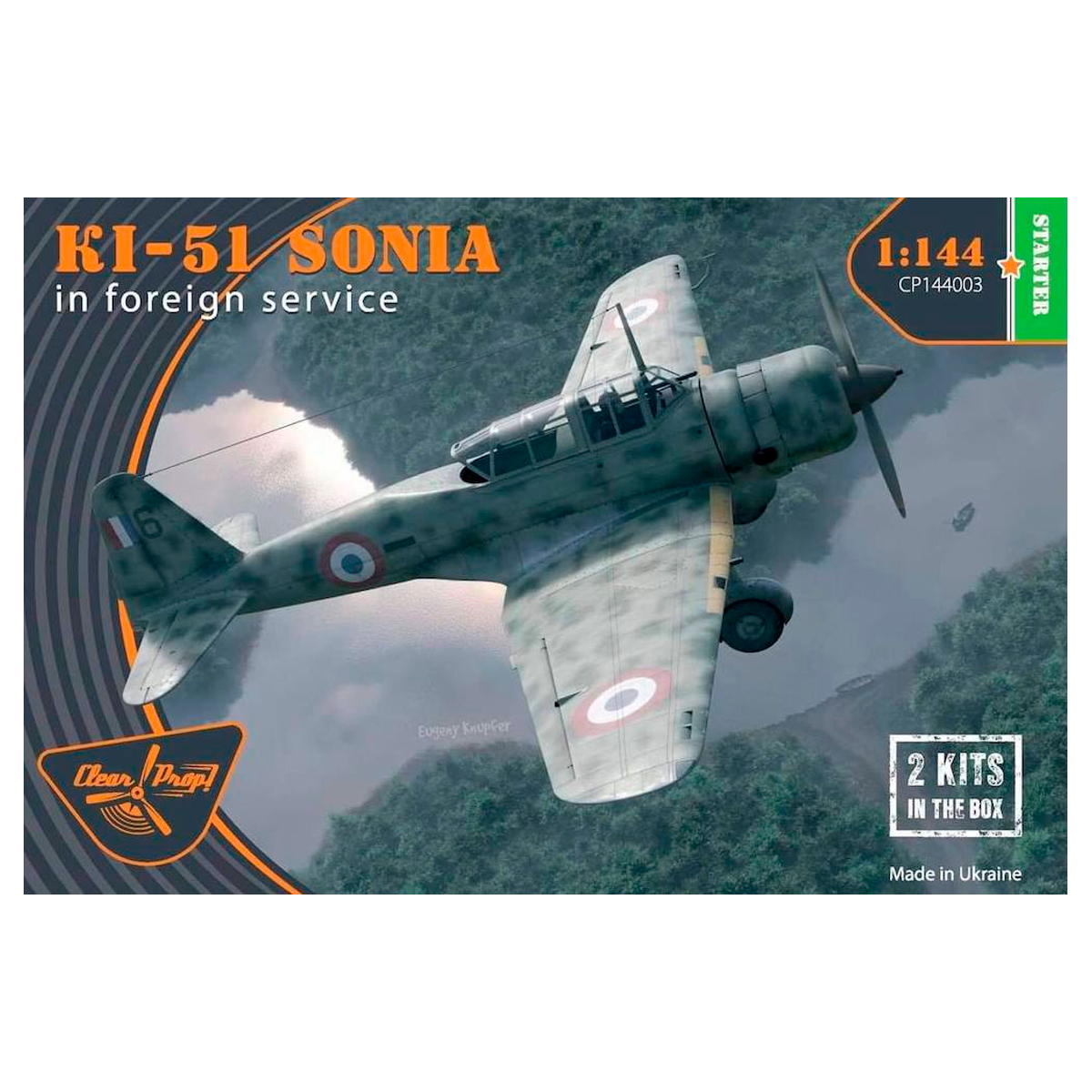
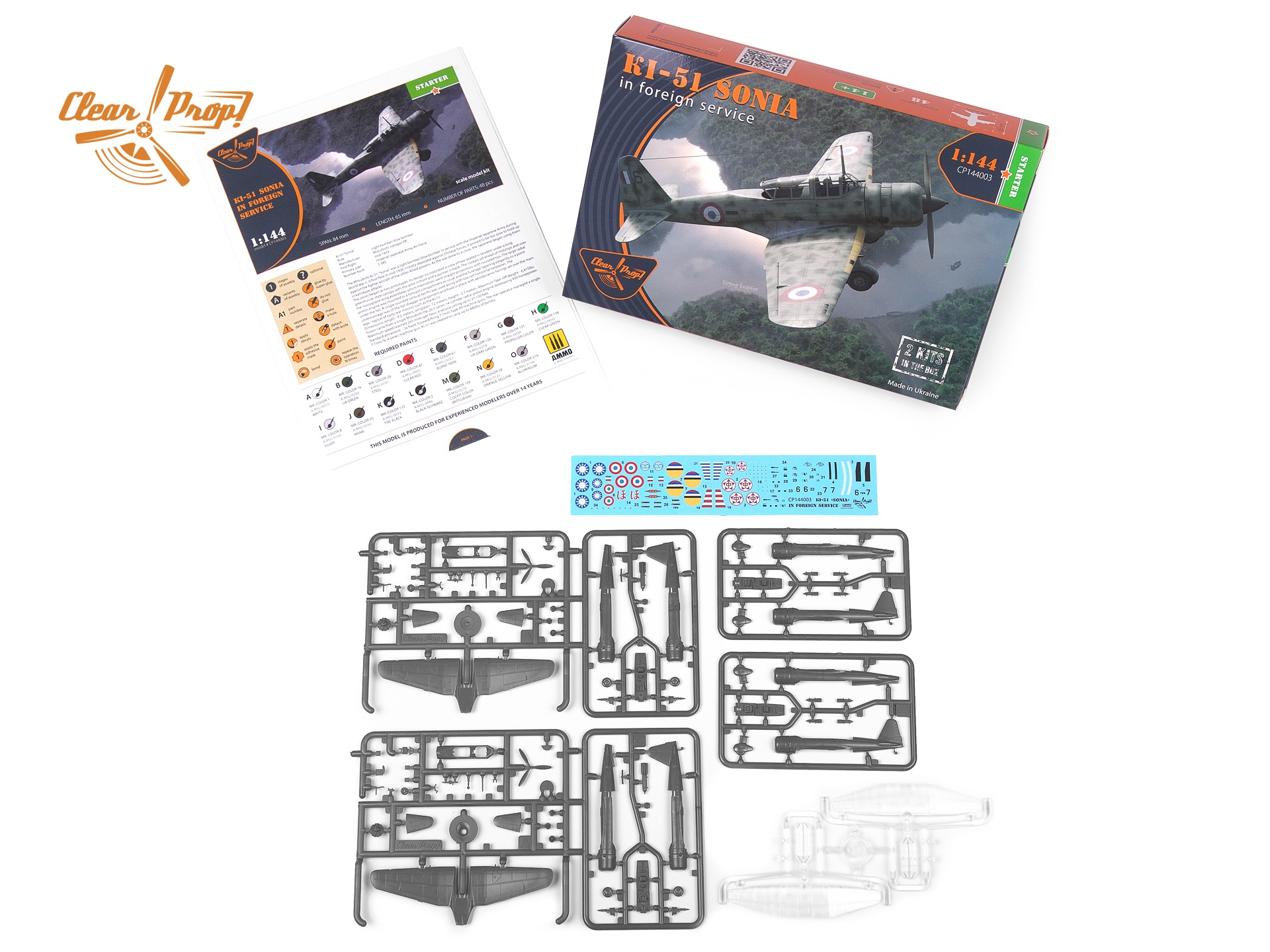
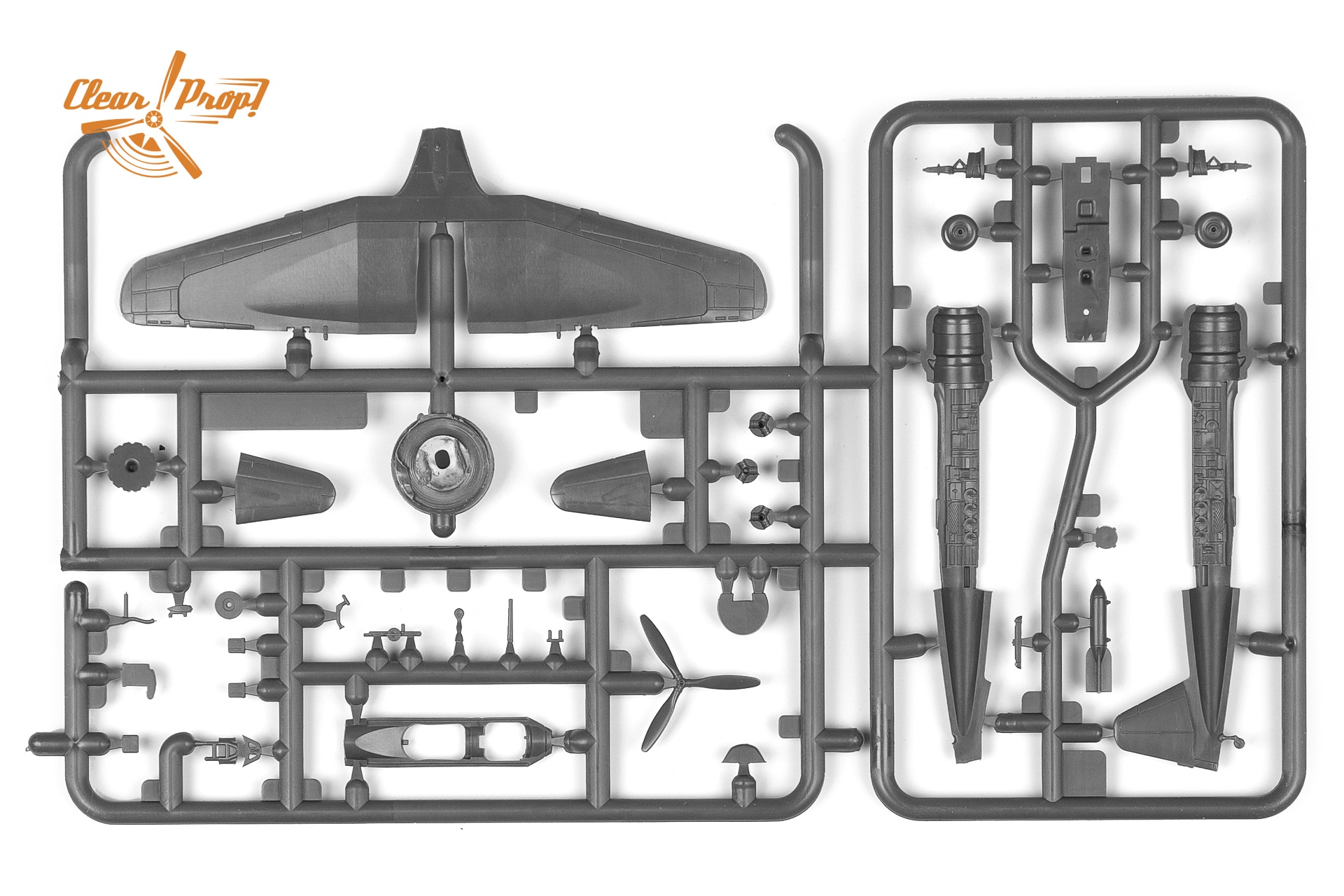
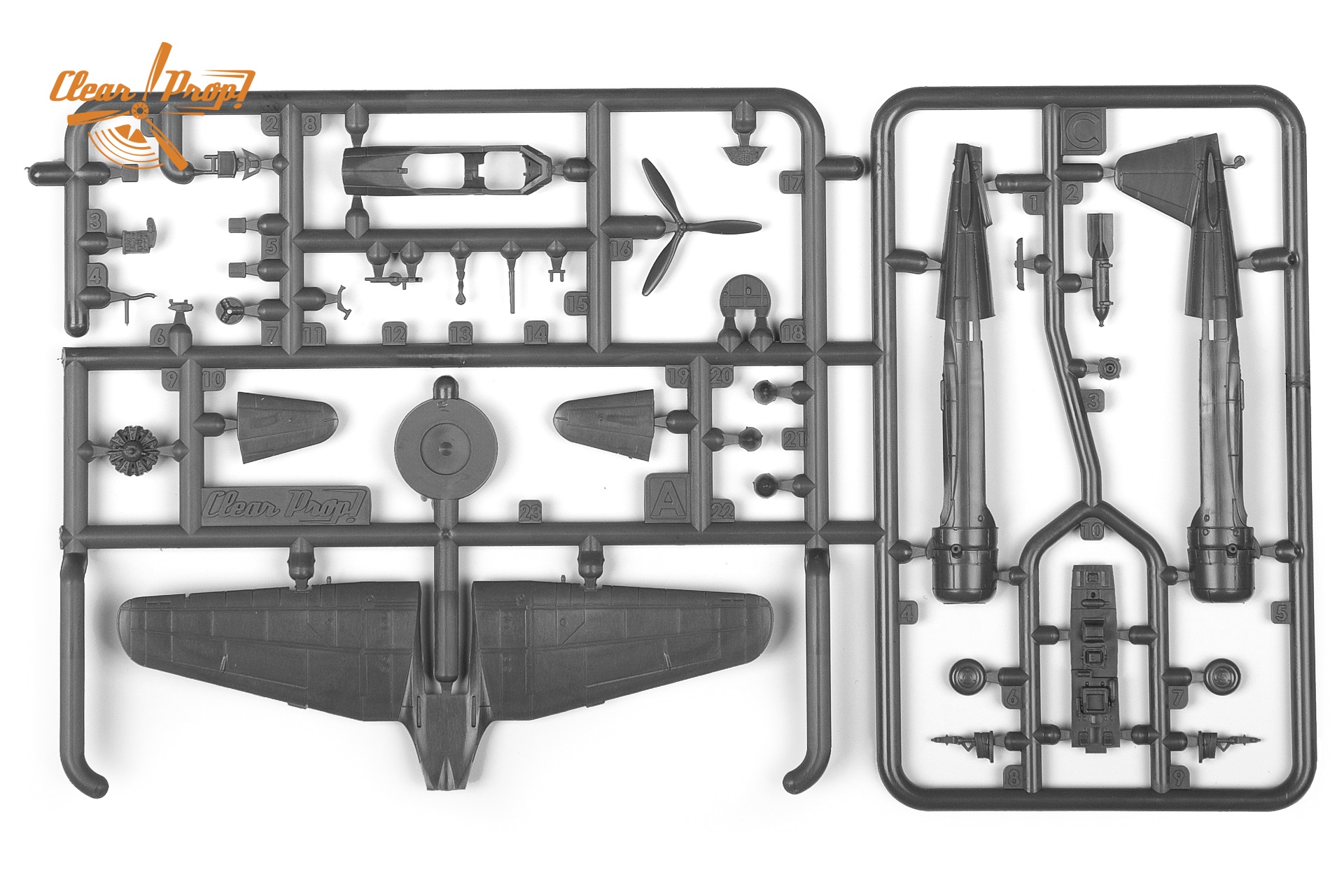
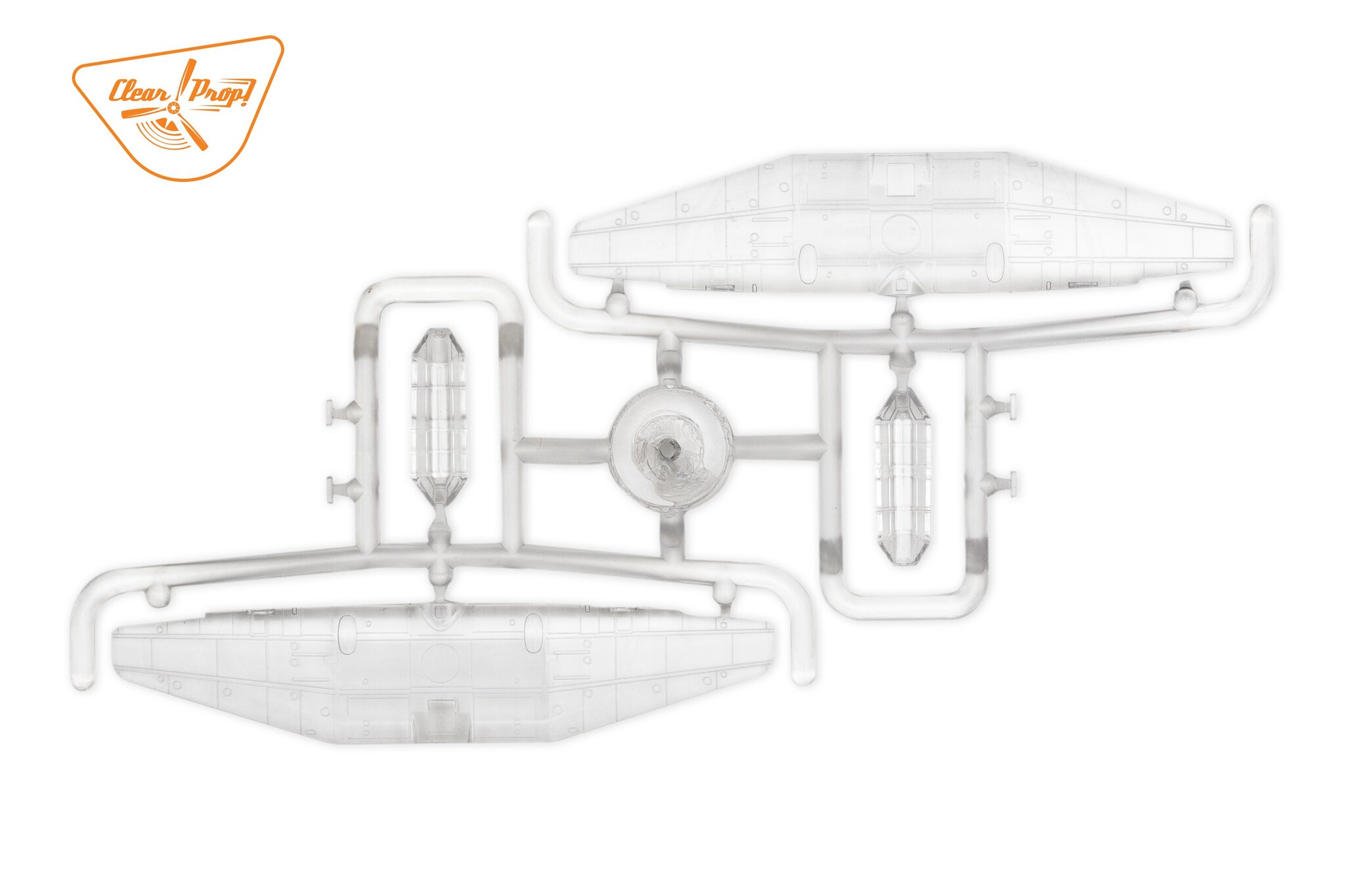
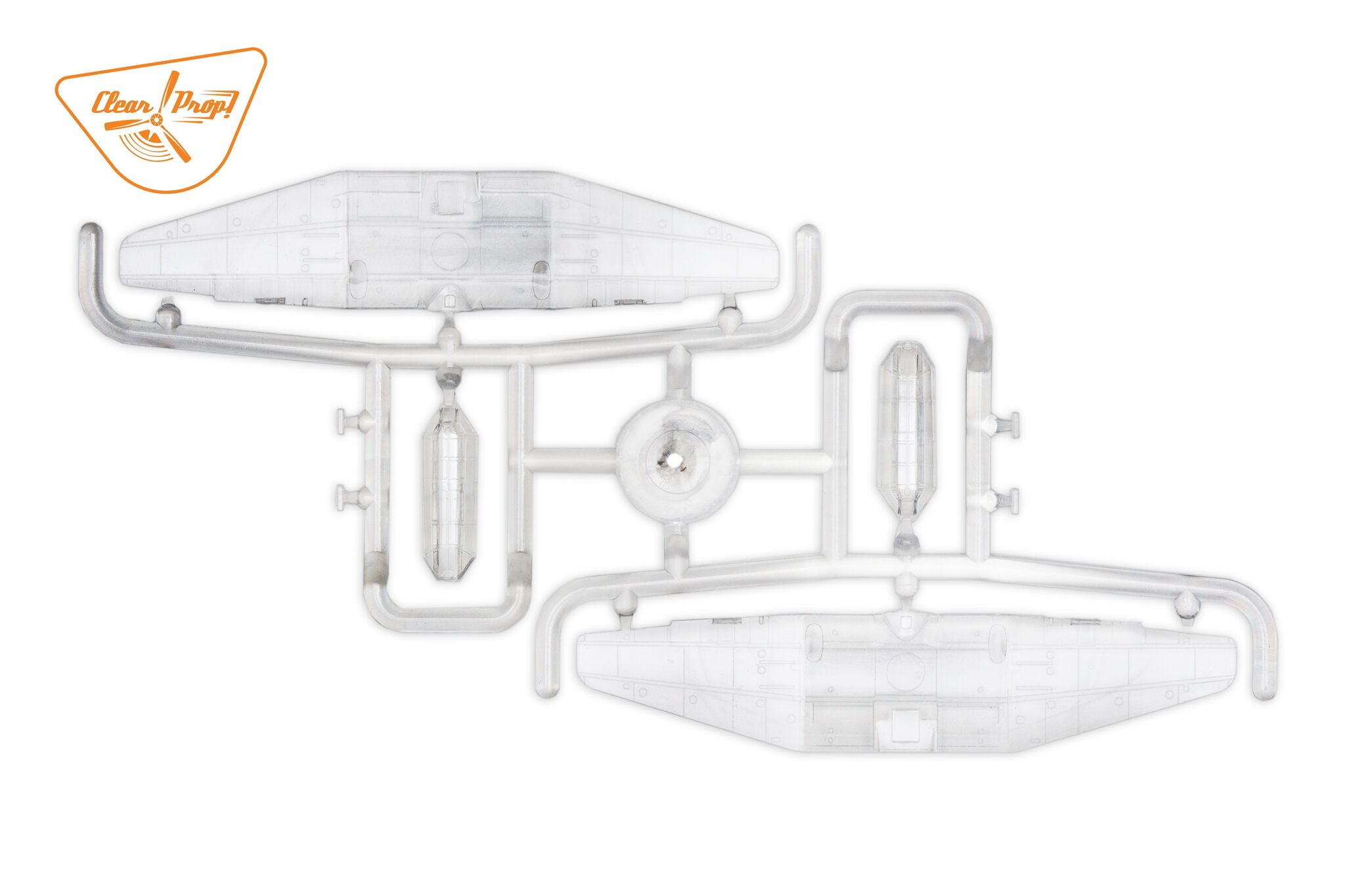
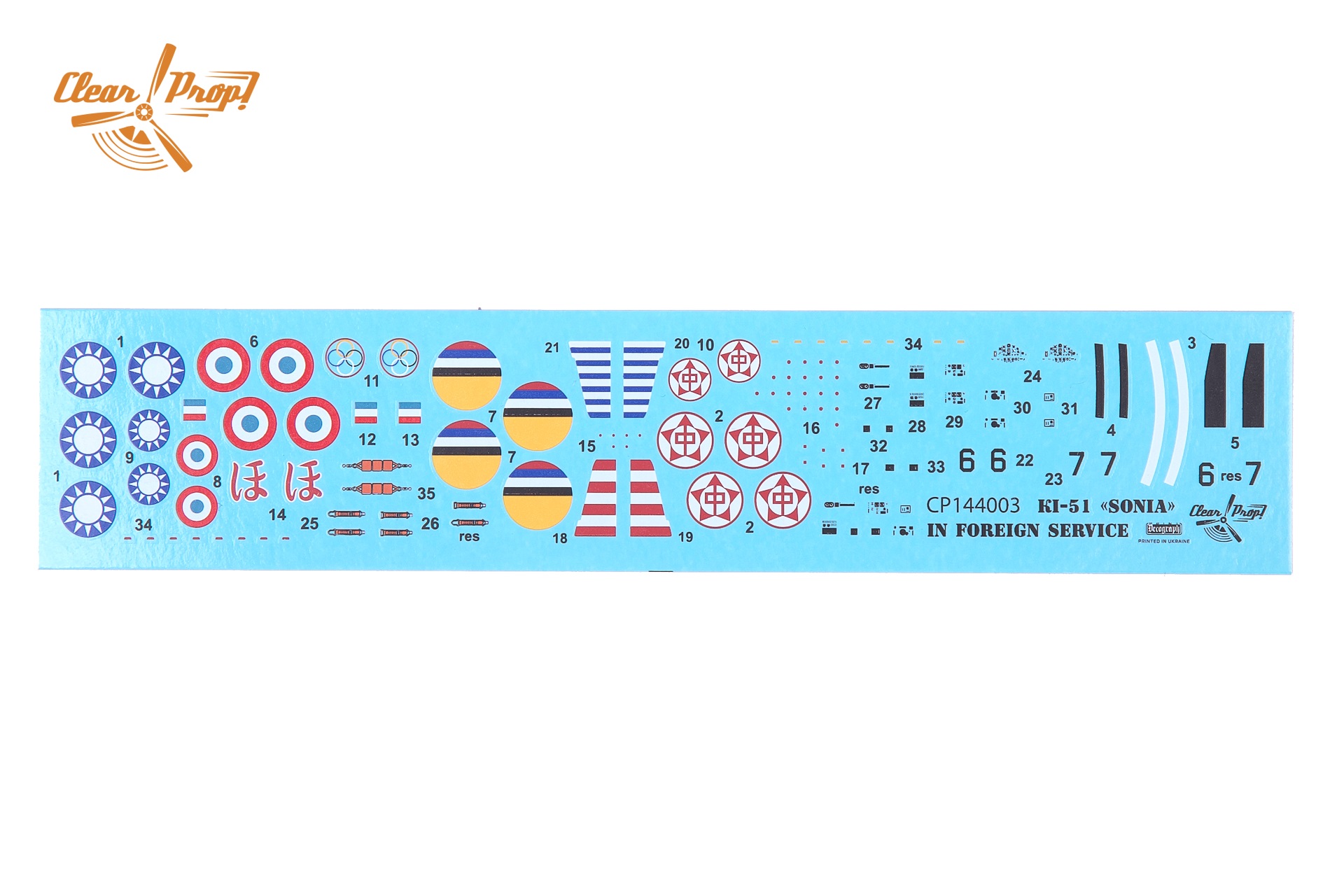


1/144 Ki-51 Sonia (2 in box) “in foreign service”
18,90€
Only 1 left in stock
*Please check our Privacy Policies to see how to we use your personal data.
*Por favor revisa nuestra Política de Privacidad para ver como tratamos tus datos personales
Clear Prop! Models 1/144 Ki-51 Sonia (2 in box) “in foreign service”
The Mitsubishi Ki-51 is a Japanese single-engine, low-wing dive bomber with fixed landing gear and a classic tail configuration from World War II, known to the Allies as the “Sonia.” It was powered by a Nakajima Ha-26 II engine with a capacity of 950 KM. In the summer of 1939, 11 Ki-51 prototypes were delivered to pilots in China and underwent testing, which was completed by the end of that year. Aircraft of this type were intended for reconnaissance and tactical attack missions, and many were equipped with movie cameras. Toward the end of the war, they were used as kamikaze aircraft until the end of June 1945. Approximately 2,385 of this type were produced. The Ki-51 was rarely used in engagements with Allied aircraft, as its poor performance made it an easy target. However, it was successfully used in China and in jungle combat along the Sino-Indo-Burmese border. Technical specifications: length: 9.21 m, wingspan: 12.1 m, height: 2.73 m, maximum speed: 424 km/h, rate of climb: 8.4 m/s, maximum range: 1,060 km, service ceiling: 8,270 m, armament: fixed – 3 × 7.7 mm machine guns, suspended – up to 200 kg of bombs.
Clear Prop! Models 1/144 Ki-51 Sonia (2 in box) “in foreign service”
El Mitsubishi Ki-51 es un bombardero en picado monomotor japonés de ala baja con tren de aterrizaje fijo y cola clásica de la Segunda Guerra Mundial, conocido como Allied Sonia. La unidad de accionamiento era un motor Nakajima Ha-26 II con una capacidad de 950 KM. En el verano de 1939 Se entregaron 11 prototipos Ki-51 a pilotos en China y se sometieron a pruebas, que se completaron a fines del mismo año. Los aviones de este tipo estaban destinados a aviones de reconocimiento y ataque táctico, y muchos de ellos estaban equipados con cámaras de cine. Al final de la guerra, fueron utilizados como aviones kamikaze. Hasta finales de junio de 1945. Se produjeron alrededor de 2.385 de este tipo. El Ki-51 rara vez se usó en enfrentamientos con máquinas aliadas, ya que debido a su bajo rendimiento, estos lo saquearon fácilmente. Sin embargo, se usó con éxito en China y para peleas en la jungla en la frontera chino-indo-birmana. Datos técnicos: longitud: 9,21 m, envergadura: 12,1 m, altura: 2,73 m, velocidad máxima: 424 km/h, velocidad de ascenso: 8,4 m/s, alcance máximo: 1060 km, techo máximo: 8270 m, armamento: fijo – 3 ametralladoras cal.7.7 mm, suspendidas – hasta 200 kg de bombas.

 Request of SDS product data file / Product security